
March 31-April 2, 2026, Lincoln, NE
For five decades, the Center for Great Plains Studies has elevated the region as a place worthy of study, appreciation, and conservation. For our 50th anniversary, the annual Great Plains conference will celebrate our past and look to the next 50 years and beyond. This conference invites us to dream big about the future of people and land in our region. Join us for an interdisciplinary conference featuring keynotes, panels, workshops, and special events in Lincoln, Neb. As we look to explore the future of the region, keynotes and panels will focus on four interconnected themes: environmental futures, re-imagining the rural, Indigenous futures, and demographic change and migration.
Registration
NU students can use code GPstudent for a $25 conference ticket.
Free access
Several portions of the conference are free and open to all without registration: Neil Linscheid's keynote, Ness Sándoval's keynote, the teach-in with several Otoe-Missouria tribal members, and the film at the Ross are free and open to all.
Program committee
- Dominque Ellis, CGPS
- Andrew Husa, Lecturer, School of Global Integrative Studies, UNL
- Margaret Jacobs, Professor of History, CGPS
- Johnnie Jae (Otoe-Missouria and Choctaw), journalist, artist, speaker, and the founder of Red Pop! News, a media outlet that celebrates Indigenous joy
- Brooke McWherter, Research Assistant Professor, Agronomy & Horticulture, UNL
- Katie Nieland, CGPS
- Athena Ramos, PhD, MBA, MS, CPM, Associate Professor, Department of Health Promotion of the UNMC College of Public Health
- Thomas Sanchez, Associate Professor of Sociology and Latino/Latin American Studies, UNO
- Michelle Warren, Professor, Spanish, UNK
Schedule
Tuesday, March 31, 6:30 p.m.: Shaylyn Romney Garrett at the Lied Center for Performing Arts, E.N. Thompson Forum on World Issues, separate free tickets required
Wednesday, April 1: Nebraska Innovation Campus Conference Center, 2021 Transformation Dr.
8 a.m.: Check in opens
9 a.m.: Ness Sándoval, keynote, open to all without registration thanks to support from the UNL Faculty Senate Convocations Committee
10:15-11:30 a.m.: Concurrent session 1
- 50 Years of Moving from Chicano to Latino at the University of Nebraska-Lincoln
- Kevin Aranda-Garcia, MASA member
- Rubi Hernandez Ochoa, Primary Programmer for MASA
- Marty Ramirez, Vice-Chair of LAS VOCES
- Michelle Suarez, former MASA president, former Lincoln City Council member
- Moderated by Thomas Sanchez, UNO
- From Parallel to Interwoven: Building Interdisciplinary Art and Science Collaborations
- Dana Fritz, Art (Photography), UNL
- Erin Haacker, Earth and Atmospheric Sciences, UNL
- Steve Rossi, Art (Sculpture), Saint Joseph's University
- Liz VanWormer, School of Natural Resources, UNL
- Co-Imagining Great Plains Futures through Games and Creativity
- Deborah Bathke, UNL State Climate Office
- Julia McMillan, UNL Sociology
- Kelsey Varisco, UNL Drought Mitigation Center
- Moderated by Tonya Haigh, UNL
- Cultivating What’s Next: Diverse Futures of Great Plains Agriculture
- Andrea Basche, Agronomy & Horticulture, UNL
- Angela Knuth, Knuth Farms
- Tim Rinne, Hawley Hamlet
- Moderated by Brooke McWherter, UNL
11:45 a.m.-1:30 p.m.: Danielle Boyer, lunch keynote
1:45-3 p.m.: Concurrent session 2
- The Future of Indigenous Entrepreneurship on the Great Plains
- Liz Lovejoy Brown (Omaha Tribe of Nebraska), Picotte Center
- Anthony Warrior (Absentee Shawnee/Mvskoke and Sicangu Lakota), Chef and NICC Instructor
- Tony Wood (Winnebago Tribe of Nebraska), HoChunk Community Capital
- Moderated by Cory DeRoin (Otoe-Missouria)
- Asian American Histories of the Heartland: Pasts and Presents in Conversation
- Donna Anderson, History, UNL (moderator)
- Emily Binder, PhD Student, UNL
- Kelsey Green, Anderson Public Library
- Nathan Tye, History, UNK
- Growing Farmers, Growing Community
- Sandro Lopes, NaTerra Farms
- Shahab Bashar Community Crops
- Moderated by Amy Gerdes, Family Service Lincoln
3:15-4:30 p.m.: Concurrent session 3
- The Future of Great Plains Regional Studies
- John Bauer, Geography, UNK
- Randy Bertolas, Geography, Wayne State College
- Becky Buller, School of Global Integrative Studies, UNL
- Christina Dando, Geography, UNO
- Moderated by Andrew Husa, UNL
- Joining Forces: Working Across Organizations to Benefit Nebraska’s Conservation Mentorship Network
- Nick Arneson, The Nature Conservancy
- Alexa Davis, Nebraska Dept. of Water, Energy, and the Environment
- Andrew Tonnies, Center for Rural Affairs
- Moderated by Kalee Olson, CFRA
- Indigenous Language Futures on the Great Plains
- Christina Goodson (Otoe-Missouria), Walking in the Footsteps of our Ancestors project
- Rebecca Liberty (Iowa Tribe of Kansas and Nebraska), National Breath of Life
- Lewis "Blue" St.Cyr (Winnebago Tribe of Nebraska), HoChunk Renaissance language program
- Moderated by Gabriel Bruguier (Yankton Sioux), UNL
- Re-Imagining Rural Futures with the Rural Reconciliation Project
5:30-7 p.m.: Teach-In with the Otoe-Missouria tribal members at the Sheldon Museum of Art (open to all, no registration required)
Thursday, April 2: Nebraska Innovation Campus Conference Center
8 a.m.: Check in opens
9 a.m.: Neil Linscheid, keynote, this talk is open to all without registration thanks to support from the Office of Research and Innovation's Invited Scholar program
10:15-11:30 a.m.: Concurrent session 4
- Great Plains Energy Futures
- Josh Moenning, Former mayor of Norfolk
- Kim Morrow, City of LIncoln
- Laura Priest, Center for Rural Affairs
- Moderated by Daniel Padilla, CFRA
- Beyond the Company Town: Reimagining Rural
- Rocio Casanova, Lexington Public Library
- Shawn Kaskie, Rural Prosperity Nebraska, UNL Extension
- Daniela Mattos, Community Development, UNL
- Moderated by Athena Ramos, UNMC
- Governance and Politics in Nebraska and the Great Plains
- Chris Anderson, City Administrator for Central City
- Robert Blair, Public Administration, UNO
- Steve Smith, Citizen University (moderator)
- Heidi Uhing, The Good Life Institute
11:45 a.m.-1:30 p.m.: Carol Graham, lunch keynote
1:45-3 p.m.: Concurrent session 5
- Creative Conservation for the Future
- Cheryl Dunn, grassland educator
- Jane Koger, Multimedia journalist/artist
- Laura Nelson, Nebraska Grazing Lands Coalition
- Moderated by Ryan Klataske, Ancient Ocean Beef Co.
- Futures in Rural Health: Digital Apps + Multicultural Humans = Tomorrow's Route to Access
- El Kearns, Health System Sciences, UNMC
- Gisela Marfileño, Clinical Research, UNMC
- Russell McCulloh, Clinical Research, UNMC
- Viviana Gonzalez Navarro, Family and System Navigator, UNMC
- Michelle Warren, Spanish, UNK (moderator)
- Envisioning the Future of Indigenous Reconnections to Ancestral Lands: The Walking in the Footsteps Project
- Cory DeRoin, WFOA project
- Johnnie Jae, Multimedia journalist/artist
- Veronica Pipestem, Native Foodways Restoration Alliance
Della Warrior, MICA - Moderated by Angel Hinzo (Ho-Chunk, Winnebago Tribe of Nebraska), UNL
3:15-4:30 p.m.: Concurrent session 6
- Futuring Methods Workshop
- Jamie Lopez, Community & Regional Planning, UNL
- Brooke McWherter, Agronomy & Horticulture, UNL
- Stories from the Rural Past for a Resilient Great Plains Future
- Kurt Mantonya, University of Nebraska Public Policy Center
- Will Stoutamire, History, UNK
- LuAnn Wandsnider, School of Global Integrated Studies, UNL
4:30-5:30 p.m.: Poster session and reception - Join scholars, artists, students, and storytellers to participate in a creative poster session, designed to feel like a walk-through exhibition where art, science, and storytelling converge.
Poster creators and titles:
- Nicole Blackstock, Rooted in the Plains Podcast
- Gabriel Bruguier, A Lakota Account of the Meaning of Life: Creating Meaningful Futures
- Mark Griep, The Sharing Cycle of Science Learning Connecting Community Topics to Tribal College Lab Courses
- Md Ezazul Haque, Hands-on STEM Opportunities for Indigenous Students
- Kyndal Hudson, Community Impact with Big Gumdrop Outdoors
- Raquel Johnson, Climate Resilience in Rural Communities
- Shawn Kaskie, Economic Resilience in the Great Plains
- Sandro Lopes, Gardens of Healing on the Great Plains: Indigenous Agriculture and Regenerative Futures
- Zebulun Lund, Agrarian Ruins
- Melissa Mosier, Platte River Health
- Samuel Sackey, Mapping and Predicting the U.S. Great Plains Population Using GeoAI
- Becky Young, EcoSpinners: The Hidden Half
7:30 p.m. at the Mary Riepma Ross Media Arts Center: Oyate Woyaka tells the story of the Lakota language history, loss and revitalization. The film touches on the deep history and spirituality of the language, the shocking history that caused Lakota to be on the verge of extinction, and the modern efforts being made to bring language back to life and the immense challenges this effort faces. Assistant Professor of History and Native American Studies Susana Geliga (Sicangu Lakota) will give comments afterward. Free and open to the public.
Keynotes

Danielle Boyer
From Bytes to Bright Futures: Meet the SkoBots
Join Anishinaabe (Sault Tribe) youth robotics inventor Danielle Boyer as she explores how culturally grounded technology can reshape education, empower communities, and revitalize languages. Growing up under the poverty line and witnessing firsthand the barriers to technical education, Danielle created the SkoBots, wearable, personal language-learning robots to teach Anishinaabemowin. Built with affordability, sustainability, and cultural relevance in mind, her robots cost less than $100 to produce and are distributed free to Indigenous youth. Danielle shares how she has reached over one million students globally, disbursed tens of thousands of robots, and built a movement rooted in community, grassroots innovation, and intergenerational knowledge.
Boyer focuses on how emerging technologies can be ethically used to drive Indigenous-led efforts for cultural preservation with an emphasis on language revitalization. In 2019, she founded The STEAM Connection, a youth-led charity that has reached over 1 million youth with free, accessible, and representative technical education. She is known for designing robots called SkoBots that speak her endangered language, Anishinaabemowin. She is a National Geographic Young Explorer, Echoing Green Fellow, two-time MIT Solve Fellow, Washington Post Next Changemaker, and Teen Vogue Indigenous Youth Changemaker. She has spoken at the White House twice and addressed the UNESCO Headquarters on Indigenous languages. Her life was featured in an MIT Solve documentary that earned a Webby, Sundance Brand Storytelling Award, Tribeca X Award, and SXSW Feature.

J.S. Onésimo (Ness) Sándoval
Demography as an Analytic Lens: Latino Population Growth and the Demographic Transformation of the Midwest
This talk explores how Latino population growth is reshaping the social, economic, and political landscape of the Midwest. By examining historical settlement patterns, contemporary demographic shifts, and projected trends, it highlights how Latindad has become an essential force driving regional transformation. Using demography as an analytic lens, the presentation connects statistical evidence with lived experience to reveal the far-reaching economic and political consequences of demographic change showing how Latino are redefining the future of Midwestern identity, governance, and opportunity.
Dr. Sándoval focuses his research on integrating demography with spatial data science. His work primarily explores the use of big data to analyze socio-economic and demographic trends in American cities. As a founding member of the Taylor Geospatial Institute, Sándoval plays a key role in advancing research in this field. He also writes a newspaper column, Rediscovering America Through Demography, where he writes about the demographic changes shaping the U.S. and their potential long-term impacts. Through his research and public outreach, Sándoval seeks to connect data and statistics with policy, helping communities better understand and adapt to the demographic shifts that affect their lives.
This talk is open to all without registration thanks to support from the UNL Faculty Senate Convocations Committee.
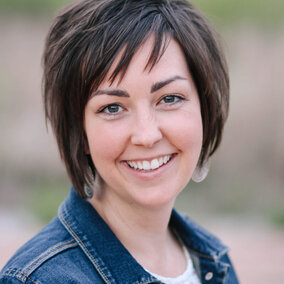
Shaylyn Romney Garrett
America's Upswing
Co-hosted with the E.N. Thompson Forum on World Issues at the Lied Center for Performing Arts. Separate (free) tickets required.
Social entrepreneur and coauthor of The Upswing: How America Came Together a Century Ago and How We Can Do It Again, Garrett has shared her opinions, writing, and research in numerous outlets including TIME Magazine, The New York Times, National Public Radio, BBC Radio, and the PBS Newshour. Her nonprofit work has been featured by the New York Times, FastCompany, LinkedIn, and Harvard Business Review. In 2011 she was honored with the Draper Richards Kaplan Social Entrepreneurship Fellowship, and was a finalist in the global Echoing Green Competition. She was twice awarded a membership to the Clinton Global Initiative, and has been a speaker at TEDx. Garrett holds a BA in Government from Harvard University.
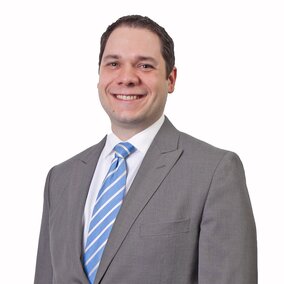
Neil Linscheid
Community Usability: Designing Communities for People (And Not the Other Way Around)
What makes a community truly work for the people who live there? Across the Midwest and beyond, communities are moving past simply collecting data about newcomers, residents, and entrepreneurs. They're using that information to fundamentally redesign how their towns and cities function. This talk examines what's working, what's not, and what we can learn from communities that are getting it right. We'll look at communities that have reimagined how newcomers access essential services, how entrepreneurs navigate local systems, and how long-time residents connect with changing resources. We'll also examine what happens when communities stop designing for an idealized resident and start designing for the real, diverse people already there.
Linscheid is an Extension Professor and Extension State Specialist in Entrepreneurship at the University of Minnesota, where he works with communities to strengthen local economies by supporting entrepreneurs and building vibrant entrepreneurial ecosystems. He leads programs that equip communities with data-driven insights, collaborative frameworks, and strategies to create environments where entrepreneurs can flourish. His Extension work has spanned diverse areas including tourism development, internet adoption, entrepreneurship support, economic impact assessment, market analysis, regional economics, and community economic development initiatives. He holds a master's degree in Public Policy and a bachelor's degree in Political Science from the University of Minnesota.
This keynote is open to all without registration thanks to support by the UNL Office of Research and Innovation's Invited Scholar Grants program.
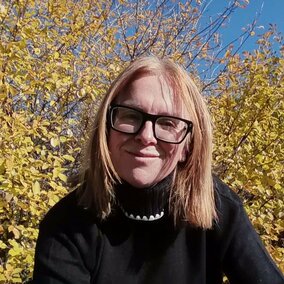
Carol Graham
Success in Conservation; Partnering with Producers and Private Landowners
Manitoba Habitat Conservancy (MHC) has been delivering conservation programs on private lands across southern Manitoba for 40 years. Enhancing habitat for species at risk and managing wetlands for waterfowl has required partnerships with producers, landowners, and industry. An emphasis on a collaborative approach has resulted in successful securement, enhancement, and mitigation of wildlife habitats in Manitoba. This community approach not only maintains ecological integrity and promotes biodiversity but also ensures ecosystem resilience and long-term ecological stability, beneficial for both producers and private landowners. Graham will speak about lessons learned and successes achieved over the years with programs that target native grassland management for wildlife and livestock production, upland enhancement for nesting habitats, and wetland retention and restoration for waterfowl.
Carol Graham is the Conservation Program Manager with Manitoba Habitat Conservancy. As a Habitat Conservation Specialist, she has been responsible for the enhancement of native grassland habitats in southwestern Manitoba for 15 years. Prior, she developed resource management plans for rangelands and forests. Carol has a Master of Science from the University of Manitoba and spends considerable time hiking, paddle boarding and exploring remote regions of the landscape.
Supporters and Partners
E.N. Thompson Forum on World Issues
UNL Department of Sociology
UNL Office of Research and Innovation
UNL School of Global Integrative Studies
UNL Johnny Carson Center for Emerging Media Arts
UNL Department of Biological Systems Engineering
UNL Faculty Senate Convocations Committee
UNL Dean of Engineering
UNL School of Natural Resources
Sheldon Museum of Art
Vision Maker Media
The Mary Riepma Ross Media Arts Center
Humanities Nebraska
Editor World LLC
Presented in partnership with the Consulate General of Canada in Minneapolis.


Chris Anderson has served as city administrator in Central City for the past 23 years and previously worked in Aurora and Ashland, Neb. He has a Bachelorʼs Degree from UNL and a Masterʼs in Public Administration from the University of Nebraska at Omaha. Anderson serves on the Board of Directors of the American Public Gas Association, National Public Gas Agency, Public Gas Partners and Nebraska Public Agency Investment Trust.
Dr. Donna Doan Anderson is the Mellon research assistant professor of U.S. Law and Race at UNL. Her research examines the intersections of land policy and immigration within rural Asian American communities in the U.S. Midwest during the late 19th through the mid-20th centuries. She is affiliated with UNL’s U.S. Law and Race Initiative, Center for Digital Research in the Humanities, and the Institute of Ethnic Studies. She received her Ph.D. in History with an emphasis in Asian American Studies from the University of California, Santa Barbara.
Kevin Aranda-Garcia is a student at UNL in film studies and history and a member of the Mexican American Student Association.
Nick Arneson is the Row Crop Agriculture Projects Lead for The Nature Conservancy in Nebraska working directly with producers and partners to implement conservation on working lands across the state.
Dr. Andrea Basche is an associate professor in the Department of Agronomy and Horticulture at UNL whose research team studies several aspects of diversified cropping systems, including nutrient cycling, water and weed dynamics, as well as policy and human decision-making. In her role, she also teaches several undergraduate courses in crop management. She is a nationally recognized leader on cover crops, soil health and climate change and has delivered more than 90 invited presentations and media interviews since 2018.
Shahab Bashar is a farm program specialist for Community Crops in Lincoln, Neb. Community Crops provides training, technical assistance and land access to beginning, immigrant and limited-resource farmers. Their goal is to help people create sustainable farm businesses to feed their families and their community. Bashar has worked as an interpreter and translator for many years supporting the Yazidi community in Lincoln. He is fluent in English, Arabic, and Kurdish.
Dr. Deb Bathke is a climate scientist, State Climatologist and National Drought Mitigation Center Education Coordinator at UNL.
Dr. John Bauer is a Professor and Chair of Geography at the University of Nebraska at Kearney whose work focuses on human and cultural geography, mapping, and GIS.
Dr. Randy Bertolas is professor of geography and chair of the Department of History, Politics, and Geography at Wayne State College in northeast Nebraska. He is a three-time recipient of the WSC Student Senate’s Professor of the Year Award and was recognized with the Nebraska State College System’s Teaching Excellence Award in 2018. Bertolasʼ research interests include geography education, natural disasters, and tourism. His teaching interests include world, regional, political, and human geography as well as regional study of Russia, Nebraska, the U.S. and Canada.
Emily Binder is a Ph.D. student studying 19th and 20th century American history as well as ethnic studies. She is particularly interested in the history of immigration and issues of citizenship, whiteness, and transnational identity. Her research is centered on emigrants from Empires at the end of the 19th Century and the communities they created in Nebraska. Binder received her B.A. in history from Creighton University in 2022. Before beginning her studies at UNL, Binder worked as a research assistant for the Roots of Justice project, researching the experience of Asian Americans in Nebraska.
Lenaʼ Black (Otoe-Missouria and Osage) is a student at UNL in graphic design. She is an artist and also works closely with the Walking in the Footsteps of our Ancestors project.
Dr. Robert Blair, Professor Emeritus, School of Public Administration, University of Nebraska at Omaha. Prior to joining the University in 1989, he worked in city management, economic development, and community development for 14 years. In 2014 the International City/County Management Association recognized him for contributions to the field of professional local government management. In 2022 he was awarded a Fulbright Fellowship in Canada, working with the Elliott Trudeau Foundation, McGill University, and the University of Ottawa. His most recent book, edited with colleagues, is Nebraska Government and Politics, second edition.
Danielle Boyer, see above
Liz Lovejoy Brown is the Executive Director of the Picotte Center, which celebrates the life of Dr. Susan La Flesche Picotte, the first Native American doctor. A distinguished member of the Inkesabe Clan of the Omaha Tribe of Nebraska, Lovejoy Brown holds a Master’s degree in Social Work from the University of Iowa and has 17 years of experience in social work, financial and grant management, and non-profit leadership with expertise in tribal finance, grant management, and advocacy for Native American youth.
Dr. Becky Buller, a cultural and historical geographer, serves as an Associate Professor of Practice within UNL’s School of Global Integrative Studies Geography Program. Her activities focus on geographic and experiential education, justice, the Great Plains, and Iceland. At the CGPS, she is journals book review editor and Fellow. Her work has appeared in Great Plains Quarterly, Historical Geography, Journal of Cultural Geography, Journal of Family History, Journal of Geography, Nebraska History, and in the 2024 Nebraska Library Commission’s “Nebraska as Place” book award winner Fritz et al. (2023) Field Guide to a Hybrid Landscape.
Rocio Casanova, originally from Mexico, has been a resident of Lexington for 25 years. She is a dedicated mother to two children: Milenzy, a second-grade student, and Josue, a sixth grader. Casanova and her husband Anuar, are actively involved in their community, volunteering with various nonprofit organizations and serving as founders and active members of El Camino PDL. She is the Youth & Family Services Librarian at the Lexington Public Library. Casanova is passionate about reading, she is particularly passionate about inspiring others to read and be involve, especially adults, to cultivate a love for reading and staying informed. She currently leads a Spanish Book Club. and is committed to empowering young children and teens to achieve success and develop into effective leaders within their community.
Dr. Christina Dando is the Peter Kiewit Professor of Geography at the University of Nebraska Omaha. She received her B.A. in Geography and English from the University of North Dakota and her M.S. and Ph.D.s in Geography from the University of Wisconsin-Madison, with her thesis and dissertation both on the construction of Great Plains landscape in the early 20th Century. Her teaching and research interests include landscape (the Great Plains), gender, and media and the various intersections of these elements, both historic and contemporary. Dando is the author of Women and Cartography in the Progressive Era. Her recent research focuses on Omaha’s 20th Century housing history and issues of spatial justice.
Alexa Davis works at the Nebraska Department of Water, Energy, and Environment helping the implementation and coordination of multiple funding and soil-related programs across the state. Davis has earned two BS degrees in Water Science and Environmental Science and a MS in Natural Resources from UNL.
Cory DeRoin, a member of the Bear Clan of the Otoe-Missouria Tribe, has dedicated much of his life to supporting the growth, healing, and resilience of tribal communities. Guided by a deep belief that anything is possible through prayer and teamwork, DeRoin works to bring people together in unity and purpose. His efforts focus on strengthening connections, uplifting communities, and creating opportunities that inspire progress. Through collaboration, faith, and a commitment to service, DeRoin strives to help build a stronger future for tribes and the broader society.
Cheryl Dunn is the Grassland Specialist–Herbarium Curator in the Department of Agronomy and Horticulture at UNL. She teaches wildland plant identification, range management, and grassland ecology courses, advises grassland ecology and plant biology students, conducts research in range ecology, and curates the department’s herbarium. She is dedicated to advancing education in grassland ecology through teaching, mentoring, and Extension outreach. She earned her M.S. in Biology from Fort Hays State University in 2004. She previously taught at FHSU and worked for the Kansas Department of Transportation and has co-authored plant identification books and Extension guides.
Dr. Sabrina Ehmke Sergeant is the Managing Editor for the Rural Reconciliation Project. An early love for Willa Cather novels prompted Ehmke Sergeant to leave her hometown in Pittsburgh and head westward. She completed her doctorate in English literature at the University of Nebraska and has worked in academic publishing and as an editor in academic, legal, and freelance settings. A first-generation American of German and Belgian parents, she has a lifelong interest in exploring the role of place in shaping identity and the relationship between land and community.
Through photography, Dana Fritz explores how we shape and know land, engaging ideas about climate change, environmental history, and ecology in a place-based practice. Fritz’s work has been exhibited and collected widely across the United States, Europe, and Asia. She published Terraria Gigantica: The World under Glass with University of New Mexico Press in 2017 and Field Guide to a Hybrid Landscape with University of Nebraska Press in 2023. Fritz is a Professor of Art and a Center for Great Plains Studies Fellow at UNL.
Dr. Susana Geliga is an enrolled member of the Sicangu Lakota and is of Borinken Taino descent. She received her PhD and M.A. in History from UNL and her BS degrees in Education, and Native American Studies from the Oglala Lakota College in Rapid City, SD. Before graduate school, she taught Lakota language in the Rapid City public school system for eight years, and Lakota language at the Oglala Lakota College in Rapid City, South Dakota for two years. She also created the Little White Buffalo Project, a Lakota language and cultural preservation non-profit youth program that she operated for 10 years. She is a Professor of the Department of History and Native American Studies at the University of Nebraska-Omaha.
Viviana Gonzalez Navarro is a Family and System Navigator at the University of Nebraska Medical Center.
Christina Goodson (Jiwere-Nutʼachi/Báxoje) is an educator, historian, and linguist interested in helping her community build sustainable, effective education programs which seek to strengthen language use, historical and cultural knowledge, and civic engagement. It is also a priority of Goodson’s to connect traditional ecological knowledge and Indigenous knowledge to STEAM fields so that future generations can cope with the rapidly changing climate and world around us. Goodson holds an M.A. in Applied Linguistic Anthropology from the University of Oklahoma and a B.A. in History and Native American Studies from Dartmouth College. She is also a Co-Primary Investigator and Co-Director of the Walking in the Footsteps of our Ancestors project at the Center for Great Plains Studies.
Carol Graham, see above
Kelsey Green’s scholarship explores the lived experiences of Chinese immigrants in Indianapolis and how immigration policy influenced Midwestern identity. As a public historian, she is involved in several Indiana history organizations and has conducted research for the State Historical Marker Program, led the Indiana History Collaborative, and contributed to several state and local publications. She currently works as the local history & genealogy coordinator for the Anderson Public Library in Anderson, Indiana.
Erin Haacker is a groundwater hydrologist in the Department of Earth & Atmospheric Sciences at UNL. Her research focuses on the depletion of the High Plains Aquifer, particularly through construction and interpretation of computer models of groundwater movement. Water is a great connector that transcends disciplinary boundaries, and she strives for her research to reflect the nature of water as a natural phenomenon, a resource, and a cultural and environmental good.
Dr. Tonya Haigh is a Research Assistant Professor in SNR and the Social Science Coordinator for the National Drought Mitigation Center. Her research focuses on the adaptive capacity of agricultural producers and others to cope with drought. She is interested in connecting social science with climate science by informing the development of stakeholder-driven resources and tools. Sheʼs worked with ranchers, advisors, and researchers to develop the Managing Drought Risk on the Ranch website and has provided social science expertise to the development of climate decision support tools for corn belt producers and specialty crop growers.
Cade Herrmann is a Research Assistant for the Rural Reconciliation Project and a second-year law student at the University of Nebraska College of Law. Before law school, Herrmann earned a BA in Political Science from Illinois Wesleyan University. During undergrad, he interned for a municipal legal department, which developed his interest in local government law.
Dr. Andrew Husa joined the School of Global Integrative Studies as a lecturer of Geography in Fall 2020. He is a proud three-time graduate of the UNL Geography program and teaches courses on regional and global perspectives. Husa is also a Center for Great Plains Studies fellow and Chair of the American Association of Geographers Rural Geography Specialty Group. A native of rural Nebraska, his research focuses on small town and rural identity, and attachment to rural landscape, especially on the Great Plains.
Johnnie Jae is an Otoe-Missouria and Choctaw multimedia journalist, artist, speaker, advocate, and community builder. Jae is the founder of A Tribe Called Geek, an award-winning media platform for Indigenous Geek Culture and STEM. Jae has also made significant contributions as a writer, editor, podcaster, commentator, and producer for various media outlets, including Truthout, Native Max Magazine, Real News Network, Prism, Complex, Last Real Indians, and CBC. Jae also co-founded Not Your Mascots and LiveIndigenousOK to address the misappropriation of Indigenous imagery and histories through Native mascots and stereotypes.
Shawn Kaskie is a Community Economic Development Educator, leadership facilitator, coach, and researcher passionate about partnering with organizations and stakeholders to define and achieve their visions. His “day job” is a Rural Prosperity Nebraska Extension Educator for the University of Nebraska, serving an eight-county rural area surrounding Broken Bow, Neb. He was the Director of the Center for Entrepreneurship and Rural Development at the University of Nebraska at Kearney and the founding director of an Economic Development organization in Sherman County, Neb. He is a CGPS Fellow and is conducting applied research as a Doctoral Candidate at UNL with the International Economic Development Council.
Dr. El Kearns is the director of research informatics for UNMCʼs Child Health Research Institute and division chief of pediatric health system sciences. She also serves as a data scientist for Children’s Nebraska, directs the Nebraska site of a trials network focused on expanding research participation of rural and underserved children, and is director of UNMC’s informatics service core entitled Research Education Administration and Development in Health Informatics. Her research interests are in leveraging technology to augment health decision-making and optimizing the efficiency of research by making better use of existing data sources.
Angela Knuth farms with her husband, Kerry, and son, Gregory, in Mead, Neb. Knuth started working on the farm in 2000, operating equipment and handling computer duties. Since then, she has moved into the role of agronomist and precision software technician for the farm and is a graduate of The Soil Food Web School Foundation Courses. Knuth Farms, since 2005, has migrated from full tillage to strip-till, and then to no-till in 2019. They certified their first organic field in 2020, and in 2024 composted and extracted their first biologicals on the farm.
Jane Koger is a fourth-generation Chase County rancher who has been the owner and operator of the Homestead Ranch near Matfield Green for over 40 years. She began the Homestead Range Renewal Initiative and experimental burning program in 2004, using patch burning to enhance wildlife habitat, especially for the Greater Prairie Chicken. Koger hopes to leave the land in such a condition that it would be recognizable to her great-grandfather who homesteaded there. She is also working on a succession plan for her nephew.
Rebecca Liberty is a citizen of the Ioway Tribe of Kansas and Nebraska and the granddaughter of the late Ethil Liberty (Ioway–Campbell and Omaha–Barada), whose dedication to cultural preservation inspires Liberty’s commitment to revitalizing Báxoje ich’e, the Ioway language. A 2017 participant in the National Breath of Life Archival Institute, Rebecca is now an apprentice in the National Breath of Life Apprentices & Fellows Program. She works with community and mentors to organize historic Báxoje language materials through the Indigenous Languages Digital Archive. She is dedicated to strengthening intergenerational language learning and community revitalization efforts. Liberty holds dual master’s degrees in Integrated Humanities and Education and has more than 40 years of service in education, nonprofit leadership, health care, and tribal advisory roles.
Neil Linscheid, see above.
Sandro Lopes was part of the third cohort of the Center for Rural Affairs Beginning Farmer Conservation Fellowship. His interest in conservation began at a young age when he encountered the effects of habitat destruction in his local community in Brazil. This led him to pursue studies in agricultural and natural resources science and engage in various conservation projects. His farm, NaTerra farms or Huerto Regenerativo NaTerra, in David City, Neb., honors the traditional knowledge passed down through generations, rooted in Indigenous practices, inspired by the methods of his ancestors, who farmed in the heart of the Amazon rainforest.
Dr. Jaime I. Lopez is an Assistant Professor in the Community and Regional Planning program at UNL. His research and teaching methods prioritize marginalized communities in the context of urban and rural challenges, using media tools practically to amplify their voices and pedagogically to comprehensively examine cities and communities. With a human-centric emphasis, Lopez is currently developing research in the Great Plains exploring how communities engage with, understand, and shape their futures through planning, media, storytelling, and public dialogue.
Dr. Kurt Mantonya, is a Research Manager at the University of Nebraska Public Policy Center, where he has worked since 2021. He holds a B.S. from Kansas State University and an M.A. and Ph.D. in Anthropology from UNL. With over 25 years of experience bridging applied cultural anthropology and community-engaged research, his work spans disaster behavioral health, emergency preparedness, rural and community development, and qualitative research methods. Mantonya brings a practitionerʼs perspective to his research, grounded in extensive ethnographic fieldwork and a commitment to translating findings into real-world policy and practice.
Gisela Marfileño is a Research Project Associate at UNMCʼs College of Medicine in the division of Health Science Systems.
Dr. Daniela Manhani Mattos is a Professor of Practice in UNLʼs Department of Agricultural Economics and Coordinator of the Master of Applied Science in Community Development. With nearly 20 years of experience in community and economic development, she is an applied economist focused on community analysis. She uses local and regional data to explain how economies are structured, what is changing, and what those trends mean for practical development decisions, especially in rural places. She earned her Ph.D. in Community and Economic Development from the University of Illinois at Urbana-Champaign.
Dr. Russell McCulloh is the Associate Vice Chancellor for Clinical Research at the University of Nebraska Medical Center and Vice President for Research at Nebraska Medicine. He is also a professor in the Department of Pediatrics in the Division of Hospital Medicine.
Dr. Julia McQuillan is a Professor of Sociology at UNL whose work focuses on social inequality, wellbeing, science education, and health.
Dr. Brooke McWherter is a natural resource social scientist and Research Assistant Professor in the Department of Agronomy and Horticulture at UNL. Her work integrates social science, stakeholder engagement, and systems thinking to support decision-making in agriculture and natural resource management. She studies adaptation and resilience in working landscapes, with projects spanning cropping systems, grassland conservation, and participatory modeling. McWherter’s work bridges research and practice to strengthen evidence-informed, inclusive approaches to agricultural and environmental challenges across the Great Plains and beyond.
Josh Moenning is director of energy group New Power Nebraska and owns and operates a small business in the field of renewable energy development and public affairs. He served as mayor of the city of Norfolk, Neb., where he was elected to the Norfolk City Council in 2012, mayor in 2016, and re-elected in 2020. Heʼs worked in the Nebraska Legislature, for the U.S. House of Representatives, and as executive director of the infrastructure development group 4 Lanes 4 Nebraska. Moenning earned a journalism degree from the University of Nebraska-Lincoln. Heʼs served on the boards of the National League of Cities and Nebraska League of Municipalities.
Kim Morrow leads efforts to create a climate-smart, resilient, and equitable community as Chief Sustainability Officer for the City of Lincoln. She oversees a team of six in advancing initiatives that reduce emissions, improve climate adaptation, and enhance quality of life.
Laura Nelson is Executive Director of the Nebraska Grazing Lands Coalition, where she works with ranchers and partners to strengthen grazing management, generational transition planning, and grassland stewardship. Raised on her family’s farm and ranch in western Nebraska, she brings deep roots in production agriculture and a background in agricultural communications and rancher-led conservation. She also serves as Statewide Grassland Coordinator for the Nebraska Grassland Alliance, a collaborative initiative uniting diverse partners to sustain and expand Nebraska’s grasslands for future generations.
Rubi Hernandez Ochoa is a junior Advertising and Public Relations major with a minor in Spanish at UNL. Previously the social media chair, Ochoa is currently the Vice President and Primary Programmer for the Mexican American Student Association and has been a member for 3 years.
Kalee Olson is a policy manager at the Center for Rural Affairs, where she oversees the organizationʼs agriculture, conservation, and federal policy portfolios. A resident of rural Burt County, Olson assists with the family row crop operation and manages a small cow-calf herd.
Veronica Pipestem is a member of the Otoe-Missouria Tribe, an Osage headright holder, and is of Citizen and Prairie Band Potawatomi descent. Pipestem owns ItsimiVee, a firm that specializes in contract grant writing and in developing practical solutions for cultural and natural resources organizations. Pipestem serves her community by growing ancestral foods and is a Coordinating Committee Member of Braiding the Sacred, a network of Indigenous growers who are dedicated to preserving and perpetuating Indigenous ancestral seeds. Pipestem is also a co-founder of Native Foodways Restoration Alliance, a nonprofit that seeks to preserve, build, and sustain relationships between Native peoples, land, and foods.
Laura Priest is a policy associate with the Center for Rural Affairs, focused on shaping practical energy solutions throughout the state. Her work includes researching and analyzing clean energy policy, tracking legislation, and helping stakeholders understand how policy decisions impact affordability, reliability, and local economies. She works closely with other organizations, customer-owned electric utilities, community leaders, and advocates to ensure the work is a reflection of the lived experience of people in rural communities. Priest is passionate about expanding renewable energy opportunities in rural areas and supporting an energy future that is community-driven and built to benefit Nebraskans for the long term.
Dr. Marty Ramirez is a retired counseling psychologist, having worked at the University of Nebraska-Lincoln for 38 years. A Scottsbluff native, Ramirez began working at UNL as a counselor for the Department of Minority Affairs in 1973. Upon receiving his Ph.D., he worked at UNL’s Counseling Center and for the Department of Counseling and Psychological Services. Ramirez received his B.A. from Chadron State College, his M.A. and Ph.D. from UNL. He has presented numerous workshops both locally and nationally in the areas of mental health, career planning, diversity and cultural competence. Ramirez received Nebraska-Land Day’s “Hispanic Man of the Year” and two weeks later received the League of United Latin American Citizens “National Hispanic Man of The Year” in Corpus Christi, Texas. Ramirez has received Omaha’s “Mexican Independence Day Veterans Award,” the Nebraska State Education Association’s Great Plains Milestone Award, and was Nebraska’s Purple Heart heroes honoree at the West Point Academy. Ramirez is a son of Mexican immigrants, a Vietnam veteran, and recipient of the Purple Heart.
Dr. Athena Ramos is an Associate Professor in the Department of Health Promotion at UNMC in Omaha, Nebraska and is affiliated with the Central States Center for Agricultural Safety and Health, the Center for Reducing Health Disparities, and is a Center for Great Plains Studies Fellow. Ramos leads a transdisciplinary research team focused on occupational health and safety within the agrifood system, integration, and community well-being. With nearly 25 years of experience, she has proven ability to envision and implement health and social research and human service programs with culturally diverse populations.
Katelyn Rich is a Research Assistant for the Rural Reconciliation Project and a third-year law student at the University of Nebraska College of Law. Before attending law school, Rich earned a BS in Political Science and Public Administration from the University of Nebraska at Kearney. While attending school, she interned at a rural law practice in Minden, Neb., which fostered a deeper love for rural places.
Tim Rinne is the Co-chair of Lincoln Mayor Leirion Gaylor Baird’s Community Committee on Local Food, whose Local Food System Plan 2023-2027 was the first Urban Agriculture blueprint in Nebraska. With his neighbors, he also co-founded and manages the national award-winning Hawley Hamlet Neighborhood Garden just a mile from downtown Lincoln. In a standard residential block with 16 domiciles and no vacant lots, four-fifths of an acre of grass lawn has been converted to horticulture to grow fresh produce for the 20 annually participating households. “We’re on a mission to demonstrate that city folks can do more than just eat.”
As an artist and educator, Steve Rossi has broad overlapping interdisciplinary interests that are reflected in his creative practice and pedagogy. His most recent work involves exploring how we live in relation to water in our built environments and is informed by natural resource stewardship considerations, labor histories, and geological formations. His work has been exhibited at the Francis M. Maguire Museum of Art, the Jule Collins Smith Museum of Fine Art, the John Michael Kohler Art Center, and the Hudson Valley Museum of Contemporary Art among many others. He is currently a Center for Great Plains Studies Affiliate Fellow and Associate Professor and Sculpture Program Head at Saint Joseph’s University in Philadelphia, Penn.
Dr. Thomas Sanchez is an associate professor in the Department of Sociology & Anthropology at the University of Nebraska Omaha and Associate Director of the Office of Latino and Latin American Studies (OLLAS). He has conducted research on ethnic identity and the incorporation of Latino immigrants in places like Schuyler, Nebraska, and the plight of DACA college student and agricultural worker access to legal aid in the state. His current research agenda includes an examination of the history and future of Latino students at UNO. His teaching interests include Chicano and Latino studies, race and ethnic relations, and sociological theory.
Ness Sándoval, see above.
Dr. Jessica Shoemaker is the Steinhart Foundation Distinguished Professor of Law at UNL and Director of the Rural Reconciliation Project. Shoemaker researches how systems of land tenure adapt over time and shape human communities and natural environments. She has a special interest in issues of justice and sustainability across the American countryside, including Indigenous land tenure and governance. She has been an Andrew Carnegie Fellow and a Fulbright Canada Research Chair in Aboriginal Legal and Resource Rights. She has also served as a Founding Fellow of the Rural Futures Institute, President of the Association of Law, Property, and Society, and has sat on the Board of Governors for the Center for Great Plains Studies.
Steve Smith is a strategic communications leader working in the democracy-building space, with more than three decades of experience across journalism, higher education, and nonprofit civic leadership. Over the course of his career, he has helped people and organizations articulate their “why,” translate democratic values into public-facing narratives, and build trust through clear, principled storytelling. His communications leadership roles have included serving as director of communications at Civic Nebraska and also at Citizen University, a national nonprofit organization that equips Americans to practice and spread citizenship.
Lewis “Bleu” St. Cyr (Ho-Chunk/Oglala Lakota) is an enrolled member of the Winnebago Tribe of Nebraska and resides in Winnebago, Neb. He is a proud member of the Bear Clan and a descendant of Chief White Cow Killer (Kills White Buffalo) and Chief Red Cloud. A graduate of Winnebago High School, St. Cyr went on to earn a Bachelor’s and Master of Business Administration from Wayne State College. He is a dancer, a traditional singer and flute player, as well as a bead and quillwork artist. St. Cyr currently serves as the Language Preservation Director for the HoChunk Renaissance Program of the Winnebago Tribe of Nebraska. Under his leadership, the program has developed a range of resources to promote and preserve the Ho-Chunk language. These include children’s books, a 250+ page language resource book, a mobile app, a dual-language classroom, community-based classes, and more. He contributes to the development of an ongoing curriculum and plays an active role in restructuring the Language Apprentice Program, an initiative dedicated to revitalizing and sustaining the Ho-Chunk language.
Dr. William F. Stoutamire is an associate professor of History at the University of Nebraska at Kearney, where he directs the undergraduate minor in public history and the online Public History MA program. Prior to joining the faculty at UNK, he worked as a contract historian for the National Park Service and served as director of UNK’s G.W. Frank Museum of History and Culture. His research interests include the history of early museums and preservation activities in the American West, with special emphasis on the role these efforts played in the larger settler colonial project.
Michelle Suarez has a long record of service to the Lincoln community through her work as an elementary school teacher and principal with the Lincoln Public Schools. After her retirement from LPS, she was the Early Childhood Developer for the Prosper Lincoln initiative, which works to increase cross-sector initiatives and resources to improve early childhood development. Michelle held an interim appointment on the Lincoln City Council in 2023. Her service continues through her current board and volunteer work. She earned a Masters of Educational Administration degree and a Bachelors of Science degree in Elementary Education from UNL.
Andrew Tonnies is a policy associate at the Center for Rural Affairs. He coordinates the Conservation Mentorship Network for the Center. He also owns and operates a small, diversified farm that focuses on specialty hogs, chickens, and fruit.
Grace Tracey is a Research Assistant for the Rural Reconciliation Project and a third-year law student at the University of Nebraska College of Law. Before law school, Tracey earned a BS in Anthropology and Classical Studies from Iowa State University. As an undergrad, she had the opportunity to research classical societies and develop her interest in law.
Dr. Nathan Tye is an associate professor of history at UNK. Tye was born and raised in Kearney, Neb. He holds a BA from Creighton University and a PhD from the University of Illinois at Urbana-Champaign. Tye specializes in Nebraska history, the history of the American West and Midwest, labor history, gender and sexuality history, as well as digital and public history.
Heidi Uhing is the executive director of The Good Life Institute, a new nonprofit that serves as a communications hub for organizations advocating for the common good of all Nebraskans. She previously served as the public policy director and registered lobbyist for Civic Nebraska, communications director for the ACLU of Nebraska, and director of the Nebraska Legislatureʼs Unicameral Information Office. Uhing studied English at the University of Iowa and journalism and public relations at UNL.
Dr. Liz VanWormer works with interdisciplinary teams to enhance the health of people, animals (both domestic and wild), and our shared environments. She coordinates the Nebraska One Health program, working with students, researchers, and government and community partners from diverse backgrounds and perspectives to address complex health challenges. VanWormer collaborates on One Health projects ranging from studies of land-to-sea parasite transmission to using art-science approaches to explore interconnected biodiversity and health. She is a veterinary epidemiologist in the School of Veterinary Medicine & Biomedical Sciences and the School of Natural Resources at UNL.
Kelsey Varisco is a Drought Social Science Associate at the National Drought Mitigation Center at the School of Natural Resources at UNL. Her work focuses on engaging local communities and collaborating with climate experts on drought resilience projects.
Dr. LuAnn Wandsnider is a Professor and Associate Director at the School of Global Integrative Studies at UNL. She is an anthropologically trained archaeologist and methodologist and a Center for Great Plains Studies Fellow.
Dr. Michelle (Evers) Warren is a Kearney, Neb., native and proudly teaches her passions—Spanish language, film, culture, and literature—at University of Nebraska at Kearney, where she also completed her undergraduate degree. Her literary criticism examines issues of human rights and identity, including the intersections of ethnicity, nationality, gender, and race. She collects and disseminates oral histories of Spanish-speaking immigrants who have made Central Nebraska their home, and contributes to a National Institute of Health-funded research team that advocates for medical access and social supports for non-English speaking neighbors in the region. Her work extends to the public humanities, in sharing international films at Kearneyʼs World Theatre through UNK@TheWORLD, and coordinating other cultural events in the area.
Della Warrior (Otoe-Missouria) is President and CEO of MICA Group, which she co-founded in 2006 with Cherokee Chief Wilma Mankiller. The MICA Group is a Native-led non-profit that works with tribal nations and Native communities nationwide to support their cultural survival and sovereignty. Warrior was the first (and to-date, only) woman to serve as chairperson of the Otoe-Missouria Tribe. She served as the Executive Director of the Museum of Indian Arts and Culture from 2013-2021. Warrior was president of the Institute of American Indian Arts (IAIA) from 1998-2005. Warrior holds a master’s degree in education from Harvard University and is a former board member of the Smithsonian National Museum of the American Indian, the President’s Advisory Board on Tribal Colleges and Universities and the American Indian College Fund. In 2007, Warrior was inducted into the Oklahoma Women’s Hall of Fame. In 2018, Warrior received a Lifetime Achievement Award from the Association of Tribal Archives Museums and Libraries, and in 2025 she was inducted into the American Academy of Arts and Sciences.
Anthony Warrior (Sicangu-Bad Nations and Absentee Shawnee/Mvskoke Creek) is the chef and owner of Warrior’s Palate Catering and is the Human Resource Director at Nebraska Indian Community College.
Tony Wood (Winnebago Tribe of Nebraska) is a Financial Services Coordinator with HoChunk Community Capital who has 20 years of experience working on the Winnebago Reservation in financial services, real estate, and small businesses.